
This is a second article of Earth science Topics series in this article we discuss the following topics that are given below.
It continues the story seamlessly, taking the reader from the birth of the Sun to the formation of the first oceans.
Chapter Overview
In this article, we will travel back in time to learn:
- The Magic Cloud: How a cloud of space dust turned into a solar system.
- The Sun: How our star ignited and cleared the darkness.
- The Angry Earth: Why our planet started as a ball of liquid fire.
- The Attack: How asteroids and comets bombarded the young Earth.
- The Great Rain: The millions of years of rain that created the oceans.
Introduction: Have you ever looked at the dust floating in a sunbeam? It looks small and useless. But 4.6 billion years ago, dust like that built the world. This is the story of how our home was built from scratch.
Table of Contents
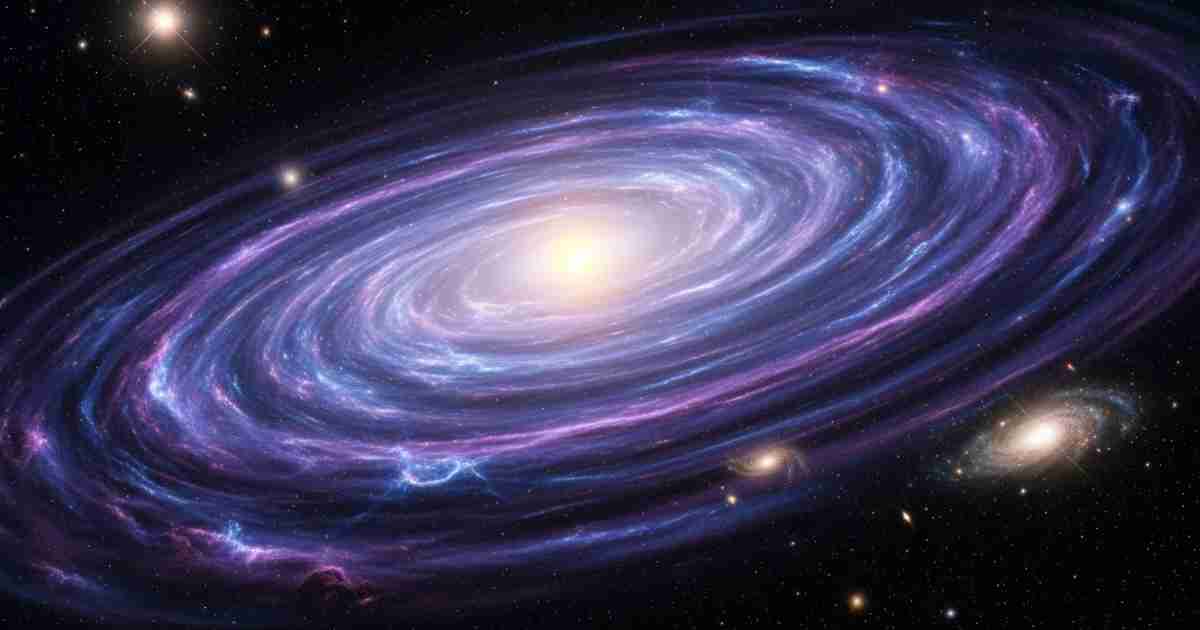
2.1 The Great Cloud (Solar Nebula)
Long before there was an Earth, there was only a Nebula.
A Nebula is a giant, cold cloud floating in space.1 It is made of two things:
- Gas (mostly Hydrogen).2
- Stardust (leftover pieces from old stars that died).3
Everything was quiet for a long time. Then, about 4.6 billion years ago, something happened. Maybe a nearby star exploded (Supernova) and shook the cloud.
The cloud began to collapse.
Imagine a figure skater spinning on ice. When she pulls her arms in, she spins faster. The cloud did the same thing. It pulled together and started to spin.Shutterstock Explore

2.2 The Sun Wakes Up
As the cloud spun faster, most of the dust and gas (99.8%) fell into the center.
It got crowded. It got heavy. And it got HOT.
Suddenly—BOOM!
The center ignited. Nuclear fusion began.
Our Sun was born.
The Sun sent out a powerful wind (Solar Wind) that blew away all the light gas. All that was left were rocky bits and heavy dust. These leftovers would become the planets.
2.3 Building Earth (The Sticky Rocks)
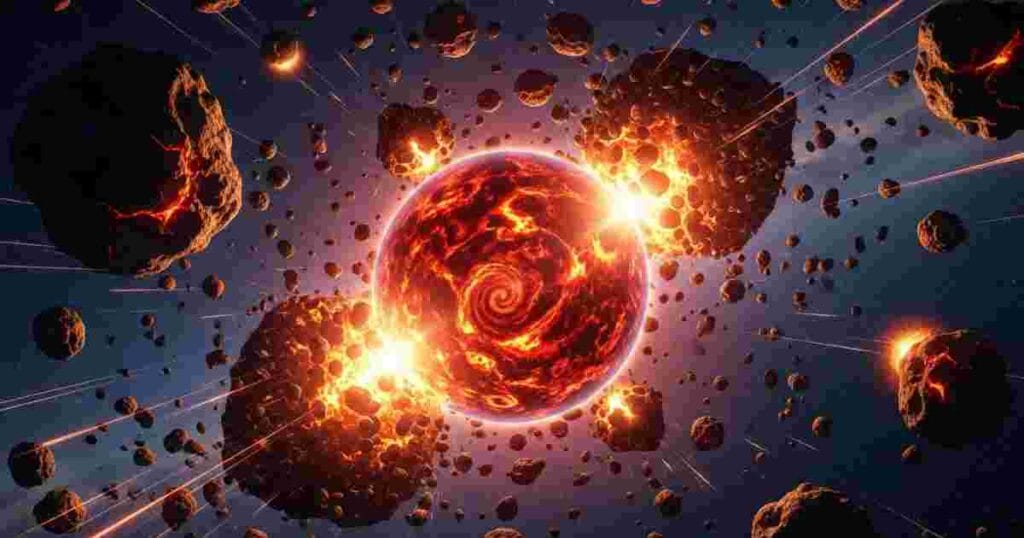
Now, we have a Sun, but no planets yet. Just billions of rocks floating around.
How do you build a planet? You smash rocks together.
This process is called Accretion.
- Dust becomes Pebbles: Tiny dust grains stuck together like dust bunnies under your bed.
- Pebbles become Boulders: These little rocks smashed into each other and stuck.
- Boulders become Planets: The rocks got bigger and bigger until their gravity started pulling in everything around them.4
One of these growing balls of rock was Earth.
2.4 Earth the Fireball (The Hadean Eon)
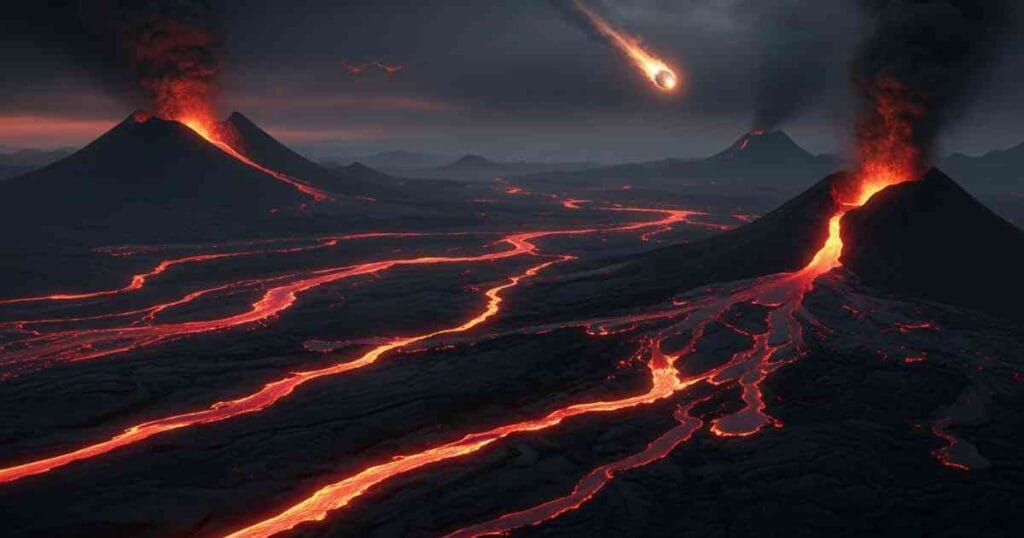
If you visited Earth right after it formed, you would not recognize it.
It was Hell.
- No Water: The ground was too hot.
- No Air: There was no oxygen.
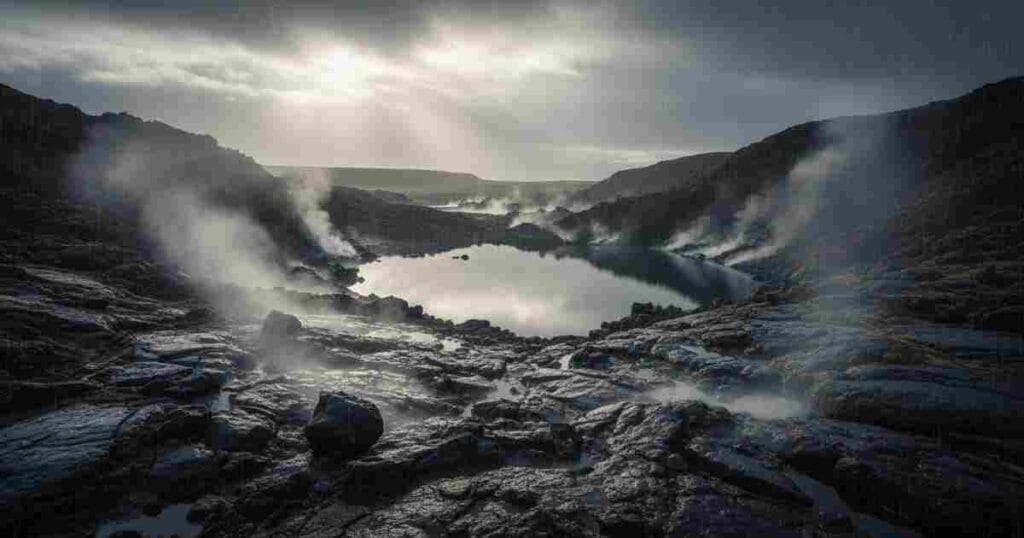
- Lava Oceans: The entire surface was melted rock (magma).
Scientists call this time the Hadean Eon (named after Hades, the underworld).5 The planet was glowing red, boiling, and dangerous.
2.5 The Cool Down & The Comets
Slowly, over millions of years, the Earth began to cool. The red lava turned into black, hard rock. This became Earth’s Crust.
But the Earth was dry. Where did the water come from?
Delivery from Space.
During this time, millions of Comets and Asteroids hit Earth.
- Comets are basically “dirty snowballs.”6 They are full of ice.
- When they hit the hot Earth, the ice melted and turned into steam.
Giant clouds of steam rose up into the sky. The Earth was getting ready for the biggest storm in history.
2.6 The Great Rain (Birth of Oceans)
Once the ground was cool enough, the steam in the clouds turned back into water.
It started to rain.
This wasn’t a normal rainstorm.
- It rained for centuries (hundreds of years) without stopping.
- It rained so hard that it filled up all the low spots on the planet.
These giant puddles became the First Oceans.
By 3.8 billion years ago, Earth was no longer a red fireball. It was a Blue Planet.
2.7 Why This Chapter Is Important
We often think the Earth has always been here, safe and sound.
But this chapter teaches us that Earth had a violent birth.
It went from:
Dust ➡️ Fire ➡️ Rock ➡️ Water.
Now that the oceans are here, the stage is set for the most important event of all: The beginning of Life.
Quick Revision Box
| Event | What Happened? |
| Solar Nebula | A spinning cloud formed the Sun. |
| Accretion | Rocks smashed together to build the Earth. |
| Molten Earth | Earth was so hot it was liquid lava. |
| Comet Impact | Icy comets hit Earth and brought water. |
| The Great Rain | As Earth cooled, rain fell and filled the oceans. |
Read our All Earth science series Article.
- Earth Science Topics Full Explanation – Complete Learning Series
- Article 1 :- Earth Explained Simply : How Our Blue Planet Works
- Article 2 :- How Earth Was Formed: The 4.6 Billion Year Story Explained in Simple Words
- Article 3 :- Why Earthquakes and Volcanoes Happen – Earth’s Moving Plates Explained
- Article 4 :- Rocks, Minerals, Gold & Diamonds – What Is Under Our Feet?
- Article 5 :- Fossils Explained – How Scientists Read Earth’s Past From Stones
- Article 6 :- Oceans, Rivers and the Water Cycle – The Life System of Earth
- Article 7 :- Weather and Atmosphere Explained – Clouds, Rain, Storms & Sky Science
- Article 8 :- Climate Change and Global Warming Explained in Easy Language
- Article 9 :- Solar System Explained – Earth’s Place in Space
- Article 10 :- Natural Resources, Pollution & How to Save Earth for the Future
Earth Science Topics – Full eBook
Complete and easy Earth Science book. Perfect for students and beginners.
Buy NowOne Line to Remember
“We started as dust, burned as fire, and cooled into water—Earth had to build the house before Life could move in.”